I Got My Face in My Face My Face Again
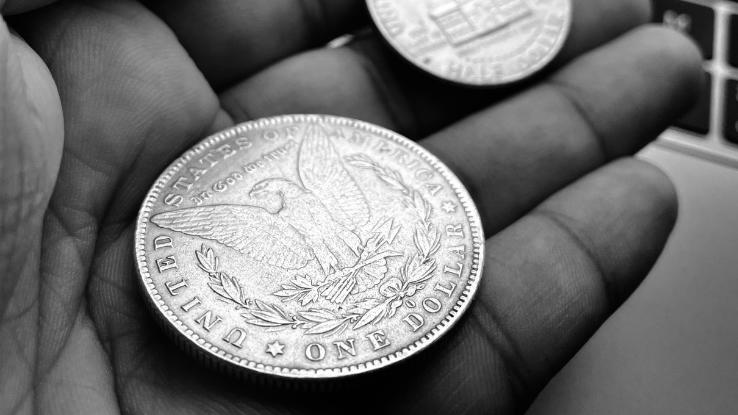
If you paid for something in cash recently, you may non have received the full corporeality of change that was owed to y'all. In fact, some retailers had to put a temporary hold on cash transactions in general. The reason for this, like many other inconveniences in the last few years, stemmed from the COVID-19 pandemic. When businesses aren't able to use cash for legal tender, a financial domino result occurs, and vulnerable people tend to be affected the nearly.
The proverbial common salt in the wound is that the U.S. has safety nets and regulations in place to protect our currency in a money shortage, and throughout history, the United States has had to adjust the ways its coins are made and how many are produced. The money supply concatenation issues we've recently faced should exist considered less of a failure on the behalf of the U.S. Mint in particular and more of a reason to acknowledge the severity of COVID-19 and the issues it acquired.
The U.S. Coin Task Forcefulness was established concluding year — which was probably not on anyone's 2020 bingo menu. To learn more about this task force, protective legislation to preclude money supply chain issues and other efforts to brand sure everyone has the coins they demand, read on beneath.
Get That Coin: A Brief Wait at Coinage in U.S. History
Since the late 1700s, there have been 8 major Federal Coinage Acts implemented to regulate coinage and establish the U.S. Mint. Periodically the U.Southward. needs to reevaluate its money system to better facilitate economic transactions. Function of this involves the U.S. making physical changes to its coin, which it does through coinage acts. Theoretically, if in that location was a need or even a want, Congress could pass an human activity that stops the use of different materials like copper or nickel in our coin product. The Government could also create new coins with new values.
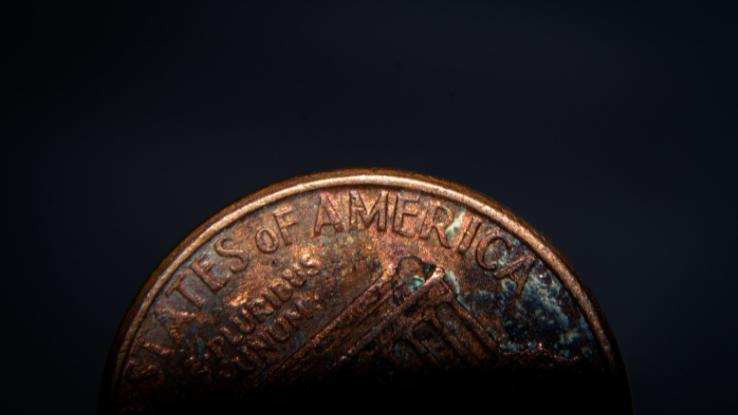
Hither is a quick breakdown of several important U.S. coinage acts:
The Coinage Human action of 1792 established the U.S. Mint. Prior to this, Americans used Continental currency, which needed an overhaul. Different states were using different currencies, and some people were too using strange coin. A standardized national currency was needed. Coins ranged from ha'pennies (half a cent) to "gold eagles" that were worth $10 each at the time. Newspaper money had been in use since the 1690s, but it was mostly used in credit or I.O.U. scenarios.
The 19th century brought change to American money. The Coinage Human action of 1834, signed by Andrew Jackson, reestablished the weights of sure coins. The Coinage Act of 1849 added 2 gilded coins — the golden dollar and the $20 double eagle — into the mix, which was largely made possible thanks to the California Gold Rush. The Coinage Deed of 1853 lowered the amount of silver in coins in response to an ongoing silverish shortage. The Coinage Act of 1857 prevented foreign currency from being used as legal tender, encouraging folks to commutation strange currencies, and the Coinage Act of 1864 brought a two cent coin into circulation. The lowering of argent content and newly introduced currencies were both implemented to help fund the United States Civil State of war.
The Coinage Deed of 1873 was more of a game-changer. Prior to this bespeak, the U.S. embraced "bimetallism" and based the worth of its currency on the bodily values of both silver and gold. This human action over again lowered the silver content in U.S. coins and concluded the do of tying coins' values to silver, ultimately leading the state to follow the "gold standard" organisation and abandon bimetallism.
The Coinage Act of 1965 dealt specifically with coin shortages. Coming out of the Smashing Depression, the Usa was experiencing prosperity unlike ever before. Coins were used for everything from payphones to school lunches.
But, there was a silvery shortage. It grew so extensive that people began hoarding quarters and dimes the same manner some people hoarded toilet paper in 2020. This meant that the Mint needed to ramp upwards production of these disappearing coins to go on them in apportionment, and it introduced half-dollar coins and "silverish dollars" as stop-gaps. These coins were composed of multiple metals, including nickel to give them a silvery advent, and known every bit "clad coins." These new coins were added to the circulation of currency, and quarters and dimes were no longer made with any argent, effectively ending the shortage caused by hoarding. Silvery-colored coins are all the same fabricated the same manner today: with copper and nickel.
Despite all of these protections put in identify over time, the U.S. still has not quite perfected the product and circulation of money. The nation has made it 50 years without needing another coinage act, but 2020 brought the U.S. very close. This could signify that there's a diminishing need for coins with and then many people now going digital and using less paper money. But it's important to remember that, no matter how technologically advanced we get, there will always be a demand for physical currency.
Make no fault — if a coin shortage happens considering of prosperity or difficult times, information technology is still a bad thing for everyone. Yes, it's easier than ever to exist fully digital with all of your money. Merely, not everyone is able to maintain a banking concern account and instead may need to rely primarily on using cash. Differently-abled people may have trouble accessing banks. Folks in lower-income neighborhoods are more likely to accept to travel farther to go to a bank, so banking comes with higher financial and time costs for them. Banking fees can outweigh the benefits of a bank for many people, too.
When "lockdown" began in March of 2020, no ane knew how long the COVID-xix pandemic would terminal. A few weeks turned into a month — and so a yr. During that fourth dimension, there were a number of unlike shortages because supply was unable to run into demand in a multifariousness of means. People were hoarding toilet paper from Costco, buying upward weight sets and stockpiling everything else, from ammunition to Crocs.
Fewer people were going out and spending. Fifty-fifty fewer people were working in financial institutions that helped keep the regular circulation of currency flowing at its typical pace. Retailers across the land were running out of change beyond the board. Quarters, dimes, pennies — all of information technology was running out.
A notable per centum of folks believed that the coin shortage was intentionally caused by the government. People were and then upset and potentially frightened by the coin shortage that some believed the government was holding on to all the coins as a beginning footstep in transforming the land into a cashless society.
This is not true. The regime insists that the shortage happened due to closures across the land, with the Federal Reserve explaining, "business and depository financial institution closures associated with the COVID-19 pandemic significantly disrupted the supply chain and normal circulation patterns for U.S. coins. This slowed the footstep of circulation and reduced available inventories in some areas of the country during 2020." People weren't able to work in person at banks to keep the money circulating. Those banks and almost other businesses weren't open for their normal number of hours, and some weren't open up at all.
Call up about all the restaurants and confined that closed downwardly due to the pandemic. Even those that reopened weren't moving as much physical currency equally before, especially change. Commitment apps like DoorDash and Grubhub became the norm, and tipping in cash felt similar a thing of the past. It didn't help that enough of folks were intentionally not using coins in club to forbid the spread of germs. The federal coin shortage got to the point where information technology needed special intervention: its very own task force.
The U.S. Coin Task Forcefulness and Coins for Tomorrow
In July 2020, the U.S. Coin Job Force was formed to tackle the result head-on. The group consisted of folks like Patrick Hernandez, the Deputy Director of the U.S. Mint; Ashley Yayock of Walmart, representing retailers; and folks from the Federal Reserve Banks in San Francisco and Atlanta similar Kathleen Young, Amy Burr and Jeff Thomas. Their first movement was a call to activeness in the summer of 2020.
The job force urged Americans to spend their spare alter and exchange coins at dropoff machines. Every bit time went on, the group compiled different resource for different types of businesses struggling with the COVID-19 pandemic. These include resources for retailers, supply chains and financial institutions — and even resources for families and kids. The task force also developed applied strategies to promote coin redemption and money spending and provided these resources online.
In 2021, the chore forcefulness has begun reallocating coins in example any institutions are in need of them. Production has ramped upwards, so there should be enough coins for anybody for now. Despite the shortage, more coins were produced in 2020 than in 2019, if you tin can believe information technology. In 2020, the U.S. produced $14.8 billion in coins. In 2019, only $11.7 billion worth of coins were produced, so at that place are more now that are ready to be circulated.
Regarding the current money situation, things seem to exist on rail. Hopefully, as the globe continues to go vaccinated and reopen, shortages similar these can level out. Better yet, maybe nosotros'll find a cleaner way to exchange currency down the road. Until then, brand sure you lot spend and save your coins. They may be worth something someday, and they may become more than handy if nosotros experience another coin shortage.
Source: https://www.reference.com/business-finance/what-is-coin-shortage?utm_content=params%3Ao%3D740005%26ad%3DdirN%26qo%3DserpIndex
0 Response to "I Got My Face in My Face My Face Again"
Postar um comentário